Apicultura
A recolha de mel é retratada em representações que datam de há 10.000 anos. O mel sempre foi procurado pelos humanos desde o início e continua hoje em dia.
E cada vez mais se encontram formas de aproveitar toda a matéria, desde o mel até à cera, para cada vez mais utilidades diferentes.
Por isso hoje em dia é algo que se está a tornar cada vez mais comum, embora há uns tempos atrás esta era normalmente só praticada por profissionais da área.
The collection of honey is found in depictions dating back 10,000 years. Honey has been sought after by humans since the beginning and continues today.
And more and more ways are being found to use all materials, from honey to wax, for more and more different uses.
Therefore, nowadays it is something that is becoming increasingly common, although some time ago this was normally only practiced by professionals in the field.
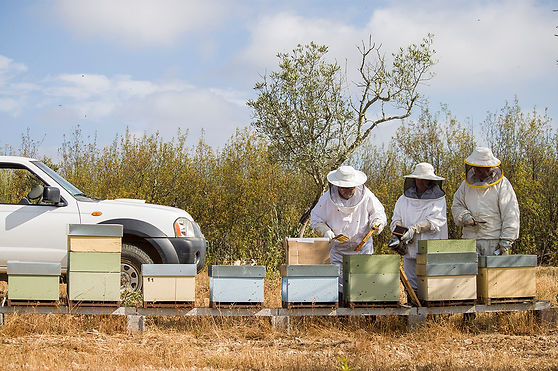
As abelhas são criadas e tratadas em colmeias, em apiários, onde armazenam o mel, que é depois recolhido com os emblemáticos fato e chapéu protetores, estes que têm um truque por detrás da sua cor.
As abelhas não reconhecem a cor branca, daí os apicultores a usarem pois as abelhas reagem mais a outras cores mais escuras, e como reagem menos ao branco torna-se mais fácil de trabalhar sem serem completamente assoberbados por abelhas.
Mas ainda assim não deixa de ser uma experiência algo impressionante para quem nunca experimentou.
Bees are raised and cared for in hives, in apiaries, where they store honey, which is then collected using the emblematic protective suit and hat, which have a trick behind their color.
Bees do not recognize the color white, which is why beekeepers use it because bees react more to other darker colors, and as they react less to white so it becomes easier to work without being completely overwhelmed by bees.
But it is still a somewhat impressive experience for those who have never tried it.

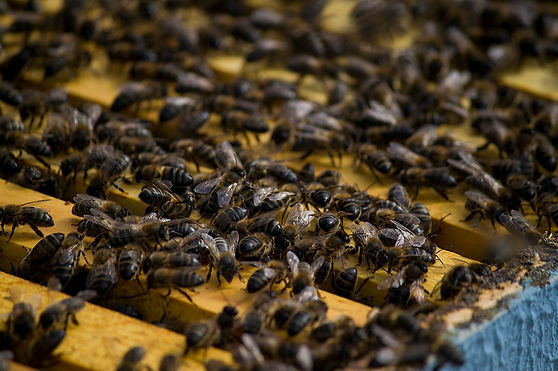


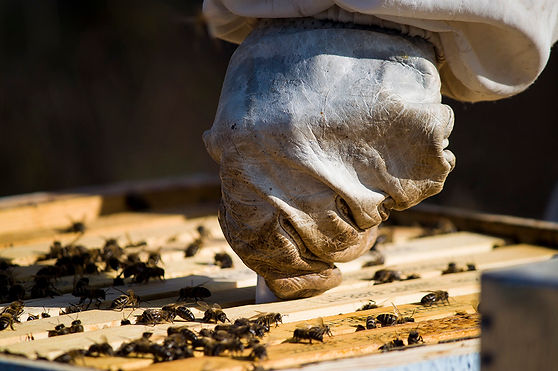
Mesmo com a vestimenta branca e o fumo que atordoa as abelhas tornando-as mais lentas, ainda vão haver bastantes tentativas das abelhas de picarem o equipamento, especialmente as luvas.
Apesar do ferrão não chegar à pele ainda é importante os ir removendo, pois eles libertam feromonas que avisam toda a colmeia onde devem continuar a atacar.
O calor que as abelhas conseguem produzir ao se aglomerarem e vibrarem as asas é algo impressionante e pode ser até aflitivo para quem não está acostumado.
Even with the white clothing and the smoke that stuns the bees and makes them slower, there will still be plenty of attempts by the bees to sting the equipment, especially the gloves.
Although the stinger does not reach the skin, it is still important to remove them, as they release pheromones that warn the entire hive where to continue attacking.
The heat that bees are able to produce when they cluster together and vibrate their wings is impressive and can even be distressing for those who are not used to it.