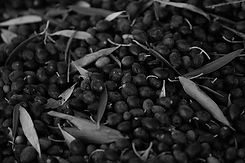
Apanha da Azeitona
Apesar de ser cada vez menos praticada, ainda se mantém com as gerações mais antigas que continuam as tradições de coletar das oliveiras, dos próprios terrenos, as azeitonas que farão o azeite para a família.
A Apanha da Azeitona começa em inícios de Novembro e pode estender-se até Janeiro dependendo das condições climatéricas desse ano.
Despite being practiced less and less, it is still maintained by older generations who continue the traditions of collecting olives from olive trees, from their own land, that will make olive oil for the family.
Olive harvesting begins in early November and can last until January depending on the weather conditions that year.


Os proprietários de oliveiras e olivais saem de manhã cedo, se as condições climatéricas assim permitirem, e estendem a rede em volta da oliveira, que será varejada e aparada para que se mantenha saudável.
Owners of olive trees and groves go out early in the morning, if the weather conditions allow, and spread the net around the olive tree, which will be raked and trimmed to keep it healthy.


Depois de retirar as folhas e ramos dos panos onde se encontra a azeitona é altura de a juntar, puxando os panos estrategicamente até toda a azeitona estar aglomerada e fácil de apanhar e ensacar.
After removing the leaves and branches from the cloths where the olives are located, it is time to gather it, pulling the cloths strategically until all the olives are clumped together and easy to pick up and bag.
View Gallery
There may be no better way to communicate what we do than through images. As you browse our site, take a few moments to let your eyes linger here, and see if you can get a feel for our signature touch.


Este processo é repetido para cada oliveira, chegando a ser um trabalho duro e potencialmente perigoso ao utilizar ferramentas de corte no cimo de árvores, por isso é algo que cada vez menos se pratica, as novas gerações preferem obter azeite nas grandes superfícies e deixar todo este processo para a indústria.
After removing the leaves and branches from the cloths where the olives are located, it is time to gather it, pulling the cloths strategically until all the olives are clumped together and easy to pick up and bag.
This process is repeated for each olive tree, becoming hard and potentially dangerous work when using cutting tools at the top of trees, which is why it is something that is practiced less and less, new generations prefer to obtain olive oil from markets and leave all this process for the industry.


Depois da azeitona ensacada dobram-se os panos e guarda-se todo o material, e no dia seguinte volta-se a repetir tudo outra vez até todas as oliveiras terem a azeitona recolhida.
Então leva-se a azeitona para o lagar que irá preparar o azeite.
After the olives are bagged, the cloths are folded and all the material is stored, and the next day everything is repeated again until all the olive trees have the olives collected. Then the olive is taken to the press that will prepare the oil.